The Tension Inside the Bad Bunny x Zara Collection
Benito brought his world to one of the largest global stages imaginable. And before the rest of the world even knew the collection was coming, he launched it first in San Juan's Plaza Las Américas — walking the floor himself, in his city, for his people. (Side Kicks)
De Puerto Rico para el mundo. And he made sure Puerto Rico came first.
That matters. That deserves to be celebrated fully before anything else is said.
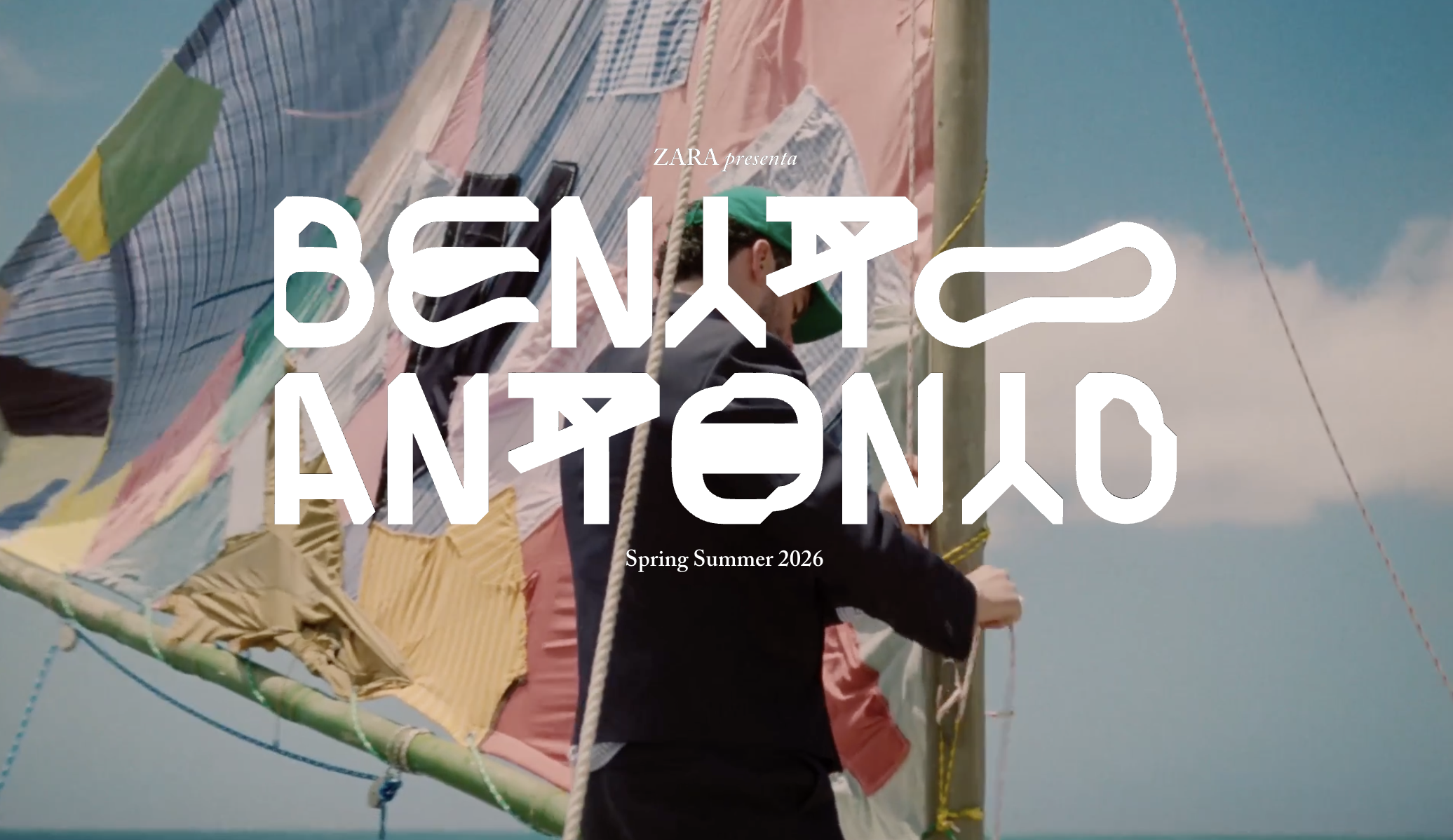
Image credit: Zara / Benito Antonio — Photography by STILLZ
The Benito Antonio x Zara collection includes tailoring, oversized essentials, textured separates, graphic statements, and relaxed summer pieces. It was created alongside his longtime creative director Janthony Oliveras — the person who has helped shape Benito's visual identity across years of albums, tours, campaigns, and public appearances. (Billboard)
This wasn't a brand simply licensing his name onto existing inventory. His creative world was involved at every level. The visual identity was developed with M/M Paris and draws directly from everyday Puerto Rican life — electric poles, street infrastructure, handmade textures, the ordinary details of his world that often go unnoticed until someone chooses to see them differently. (The Impression)
And honestly, the understated everyday Benito reflected throughout the collection is authentic. This is genuinely how he moves through the world when he's not on stage:
oversized hoodies
relaxed tailoring
muted basics
practical layering
comfortable silhouettes
That grounded, understated ease is part of why many connect to him in the first place. The collection reflects that version of him clearly.
And there's also an intentionality to the accessibility of the price point. Choosing a globally available retailer at a mass price point sends a message — that his world doesn't require a luxury price tag to access. (TheStreet)
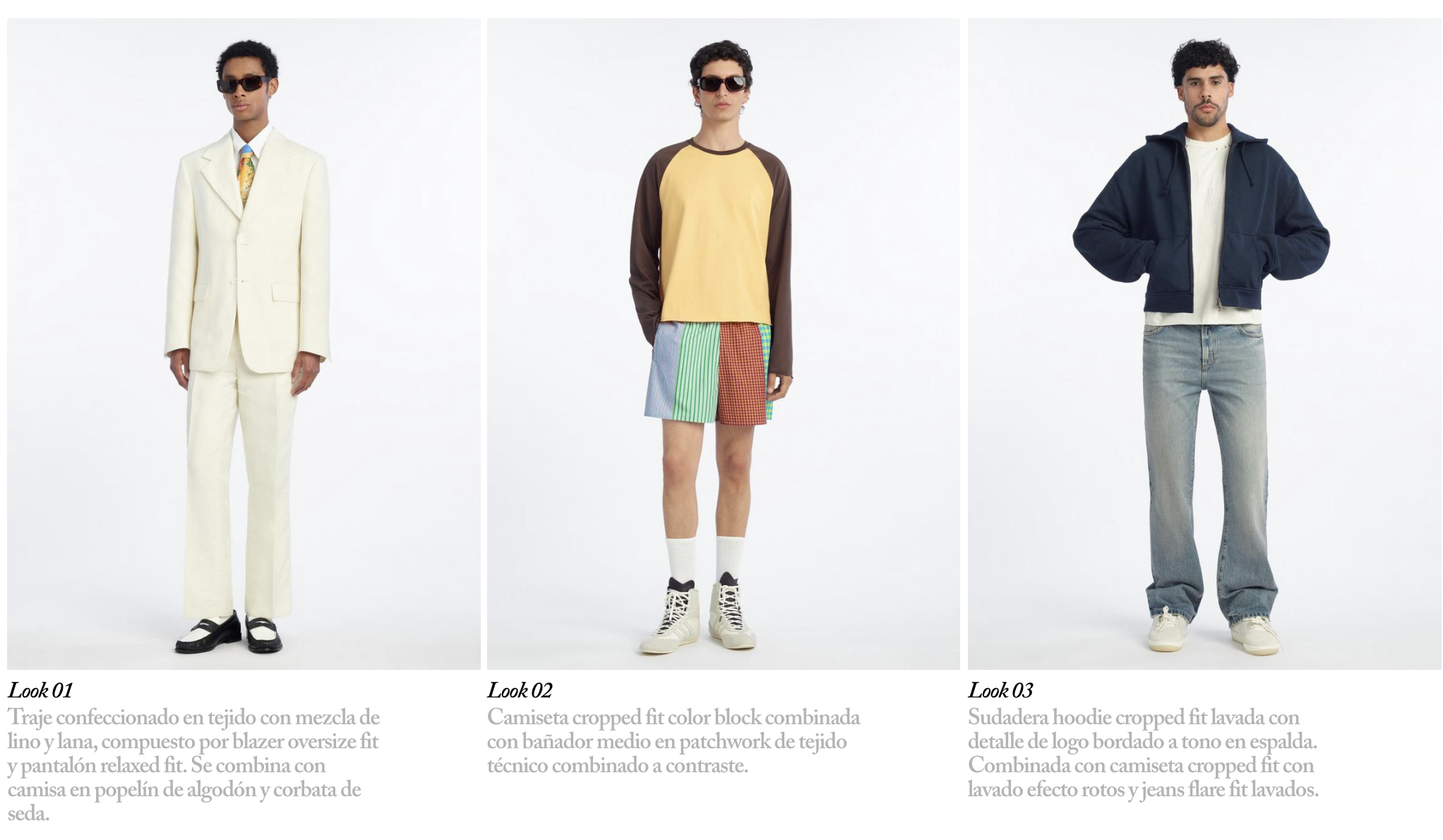
Image credit: Zara / Benito Antonio — Photography by STILLZ
THE HONEST TENSION
And yet — there's also been a quieter conversation happening among creatives, designers, and fashion-minded audiences: Did anyone else expect the collection to feel a little more layered? More emotionally specific? More textured? Just more rooted in the visual world Benito has spent years building.
Because his artistry has never really been minimal in feeling.
His albums, visuals, styling, and stage design often carry:
Caribbean nostalgia
Puerto Rican symbolism
softness in masculinity
everyday barrio life
humor and tension
hyper-specific color palettes that feel like memory
emotional storytelling rooted in place and identity
The universe he has created around his art is part of why we connect to him so deeply.
The tension isn't that the collection feels inauthentic. It's that global retail infrastructure may have left less room for the more emotionally specific, deeply Puerto Rican side of his artistry to come through in the garments alongside it. Both versions of Benito are real. We just got one of them.
There's also a question worth naming that others have raised: Zara's business model is built on speed, volume, and low cost — which comes with real environmental and labor implications. (Marie Claire UK) For an artist so deeply attuned to community and social justice, that tension exists whether we name it or not. It doesn't erase what the collection represents culturally. But it's part of the fuller picture.
THE AUDIENCE PROBABLY WOULD'VE FOLLOWED HIM FURTHER
At the same time, looking at the public reaction online made something else clear: we were excited regardless. The emotional connection was already there because it's Benito. And honestly, I think the audience would've followed him further creatively too. Bad Bunny is one of the few artists whose audience already understands his visual language. Fans don't just live with the music — they engage with the symbolism, styling, nostalgia, references, and emotional world surrounding the work. People don't follow Benito because he's safe. They follow him because his world feels like theirs.
Which raises an interesting question: did the collection need to be simplified as much as it was? Or was the restraint less about audience capability and more about the realities of global retail systems?
Because those are two very different things.
Zara's role in this collaboration may have never been to create a deeply authored fashion world. It may have been to translate Benito's world into something globally wearable, emotionally accessible, and built for global reach. (FashionUnited) And judging by the public response, that strategy worked.
WHO PROFITS — AND WHY IT'S A DIFFERENT QUESTION HERE
Here, the answer is more layered. Bad Bunny is one of the most powerful artists in the world. He wasn't extracted from. He chose this partnership, had his longtime creative collaborators involved, and used the collaboration to place Puerto Rican identity onto one of the largest global stages imaginable.
After his Super Bowl performance, Zara was named Lyst's breakout brand of Q1 2026 — driven in large part by the cultural moment Benito created on that stage. (Marie Claire) And it goes beyond visibility — Benito isn't just giving Zara cultural credibility, he's actively helping them rebrand their entire identity. Highsnobiety framed this collaboration as part of Zara's shift from fast fashion to something more "elevated." (Highsnobiety) That's a significant exchange beyond the collection itself.
Because as Latino and Caribbean artists continue entering larger global systems, conversations around authorship, ownership, and creative power become increasingly important.
Not just: "Who gets visibility?"
But: "Who gets to build lasting creative homes around their own cultural world?"
WHAT WE'D LOVE TO SEE NEXT
Both reactions to this collection can exist at the same time. The accessibility is real and meaningful. The community's pride is deserved. And the quiet wish for something more emotionally textured is also valid. But the bigger dream — the one this conversation keeps pointing toward — is what a fully independent Benito label could look like someday.
One without the constraints of mass retail. One where the full emotional texture of his visual universe doesn't need to be translated for global commercial safety. Where the Caribbean nostalgia, regional symbolism, softness, humor, and the beauty of everyday Puerto Rican life all get to exist without simplification.
Artists like Rihanna with Fenty and Pharrell in luxury fashion have already shown that the gap between creative vision and commercial scale can close when artists hold real structural power — not just creative input.
Benito already has the audience, the trust, and the cultural authority. The question is whether the next chapter brings a creative home that matches the depth of his world.
De Puerto Rico para el mundo — on his own terms.
This is part of an ongoing Papaya series examining how Latino and Caribbean culture moves through brand, design, and creative strategy — who profits when it does, how identity gets translated commercially, and what it looks like for our communities to author their own worlds instead of simply contributing to someone else's.